Developing the professional dog trainers of the future
By Jason Light
Jason Light, PACT Director introducing the Government’s Responsible Dog Ownership Taskforce Report blog
Last weeks publication of the Government’s Responsible Dog Ownership Taskforce Report is an important development for the future of dog training and behaviour in the UK.
For PACT, as an Animal Behaviour and Training Council (ABTC) Assessing Organisation, the report reinforces something we see every day through our work with our assessed members and students: professional competence matters, and it needs to be demonstrated through robust assessment rather than simply claimed.
The Taskforce has identified the professionalisation and potential further regulation of dog trainers and behaviourists as an important area for further development. Recommendation 18 calls for the exploration of options to further regulate the profession, recognising the variation that currently exists in qualifications, assessment and professional standards across the sector.
At PACT, we are already helping to address that challenge. Developing professionals, not simply qualifications; our work is centred on people who are committed to developing their knowledge, practical skills and professional competence.
Our students are working towards ABTC-recognised standards, developing their theoretical knowledge alongside the practical skills they need to work effectively with dogs and their owners. For many, this represents a significant journey — combining education, practical experience, supervised learning and assessment as they work towards professional recognition.
For our assessed members, that journey has reached an important milestone. They have demonstrated their competence through the ABTC assessment process and can continue to develop their professional practice through ongoing learning and continuing professional development.
This distinction matters.
Dog training and behaviour is a practical profession. Knowing the theory is important, but professionals also need to demonstrate that they can apply that knowledge appropriately in real-life situations. Our role as an ABTC Assessing Organisation is to help provide that independent assessment of practical competence.
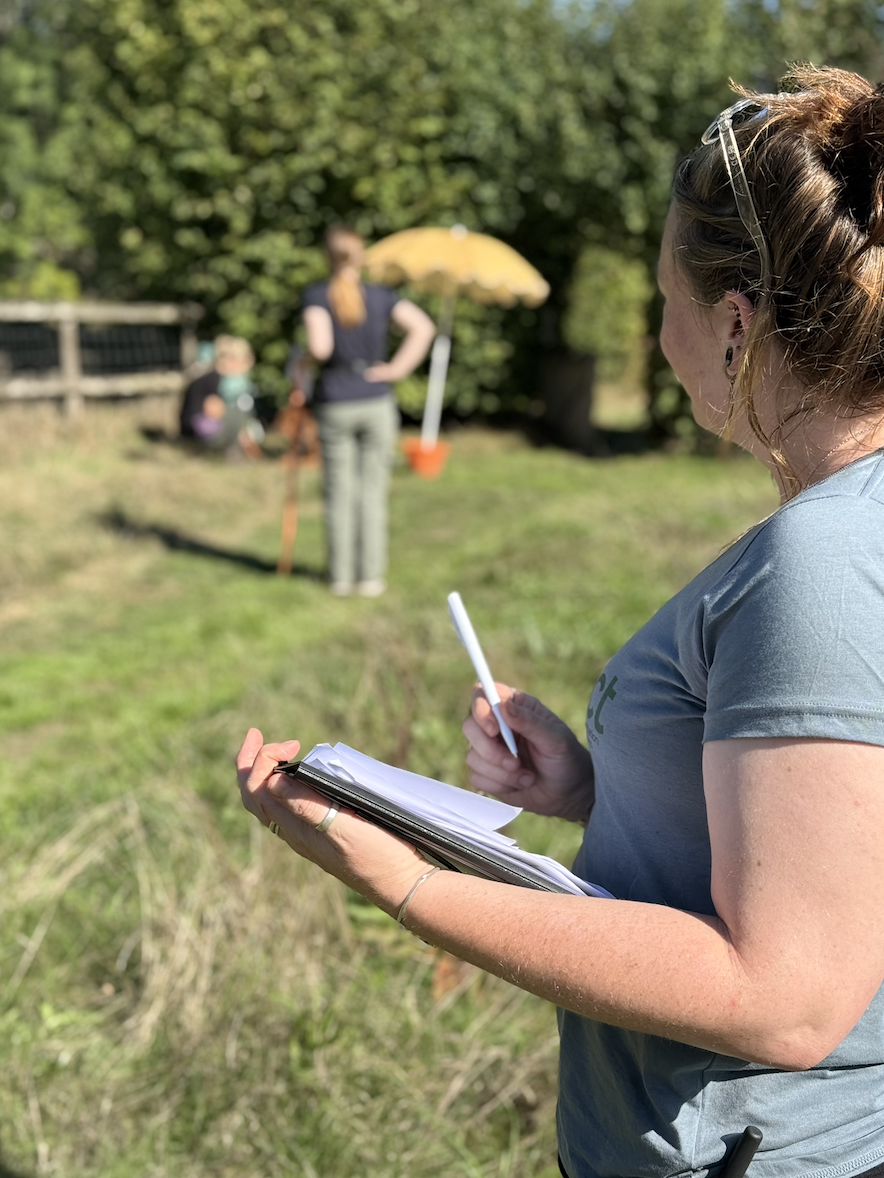
Image: One of the PACT Tutors overseeing students practicing teaching group sessions
A professional pathway from learning to assessment
We are particularly proud of the pathway that PACT provides.
Students can develop their knowledge and skills with the goal of progressing towards ABTC-recognised assessment, while existing practitioners can work towards demonstrating their competence against recognised professional standards.
That creates a clear progression:
Learn → develop practical skills → gain experience → demonstrate competence → become professionally recognised → continue developing.
For students, this provides a clear destination for their learning. For assessed members, it provides recognition that they have successfully demonstrated the required competencies. And for dog owners, it provides a way of identifying professionals who have undertaken a recognised process of education, assessment and professional accountability.
The Government Taskforce's recognition of the ABTC framework and its UKAS recognition is particularly significant in this context. The report identifies UKAS-accredited organisations as a potential component of future regulation and highlights the ABTC's approach as worthy of further consideration.
For PACT, this is recognition of a system in which our students and assessed members are already participating.
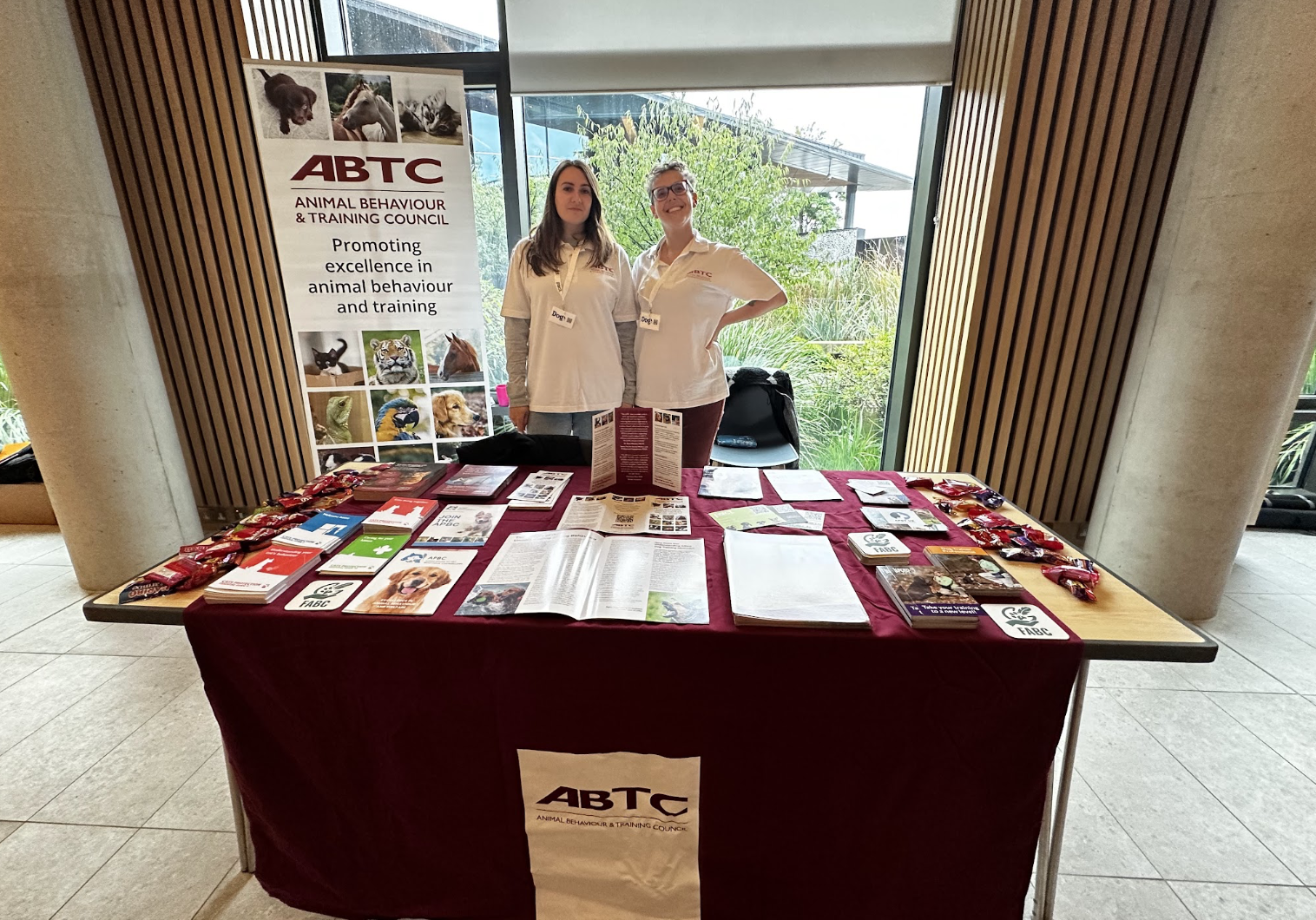
Image: Representatives of the ABTC at the Dogx 2024 conference
The people behind the standards
Ultimately, professional standards only have value when they are demonstrated by the people working within the profession.
Our students are the next generation of dog training and behaviour professionals. They are investing their time and energy in developing the knowledge and practical skills needed to work responsibly with dogs and their families.
Our assessed members demonstrate what that journey can lead to: professionals who have undertaken assessment against recognised competency standards and who are committed to maintaining and developing their professional practice.
Together, they represent an important part of the future of the profession.
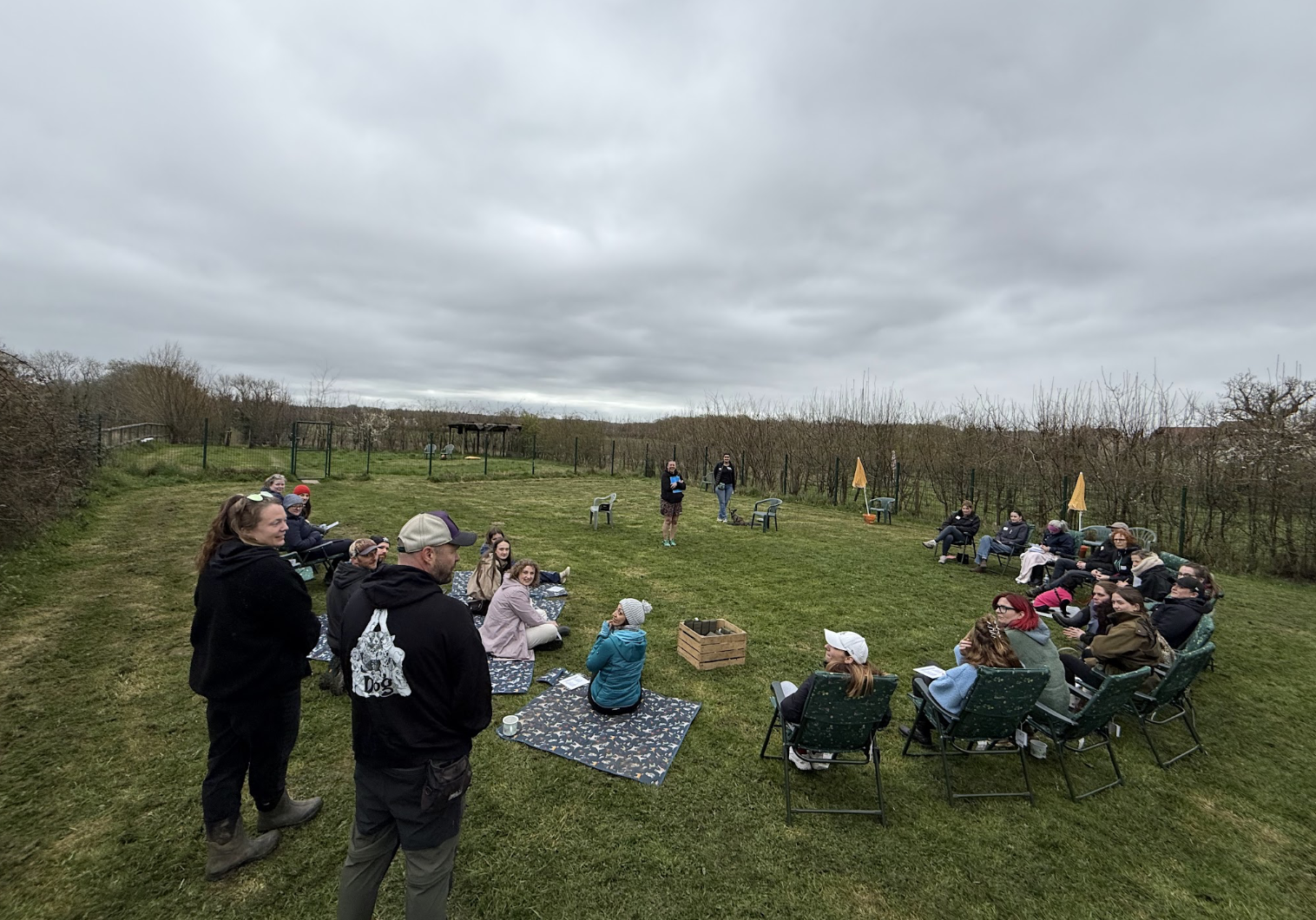
Image: PACT team and Students at Fieldwork
Our call to the sector
The Taskforce report provides an opportunity for everyone involved in dog training and behaviour to think carefully about what professional competence should mean.
For students and aspiring professionals, we encourage you to choose a pathway that gives you more than a certificate — choose one that develops and assesses your practical competence.
For existing trainers and behaviourists, we encourage you to consider how your current knowledge, skills and experience compare with recognised professional standards, and whether assessment could provide meaningful evidence of your competence.
And for dog guardians, we encourage you to ask your trainer or behaviourist about their qualifications, practical experience, professional assessment and ongoing development.
At PACT, we will continue to support our students as they progress towards assessment and to support our assessed members as they develop throughout their professional careers.
We are proud of every student working towards professional recognition and every assessed member who has already demonstrated their competence.
The Government is now considering how the profession should develop.
At PACT, we believe the future is already being built — one student, one assessment and one competent professional at a time.
If you are considering a career in dog training or behaviour, or you are an existing practitioner looking to demonstrate your professional competence, talk to PACT about the ABTC pathway and your next step.
Notes:
You can find out more about the Responsible Dog Ownership taskforce report here: https://www.gov.uk/government/publications/responsible-dog-ownership-report/responsible-dog-ownership-taskforce-report#the-taskforce
More information on the Animal Behaviour and Training Council can be found here: https://abtc.org.uk